
Residential Remodeling: How to Plan a Successful Home Renovation
Residential remodeling is more than updating a home’s appearance. It is about improving functionality, comfort, and long-term value. From kitchen makeovers to bathroom renovations, a well-executed project can transform how homeowners experience their living spaces.
Many homeowners run into renovation challenges because of limited planning, unclear priorities, or not fully understanding the remodeling process. Knowing the steps involved helps keep projects efficient, cost-effective, and aligned with your goals.
For homeowners who want professional support, residential remodeling in Monroe offers expert oversight and full-service guidance to help renovations run smoothly from start to finish.
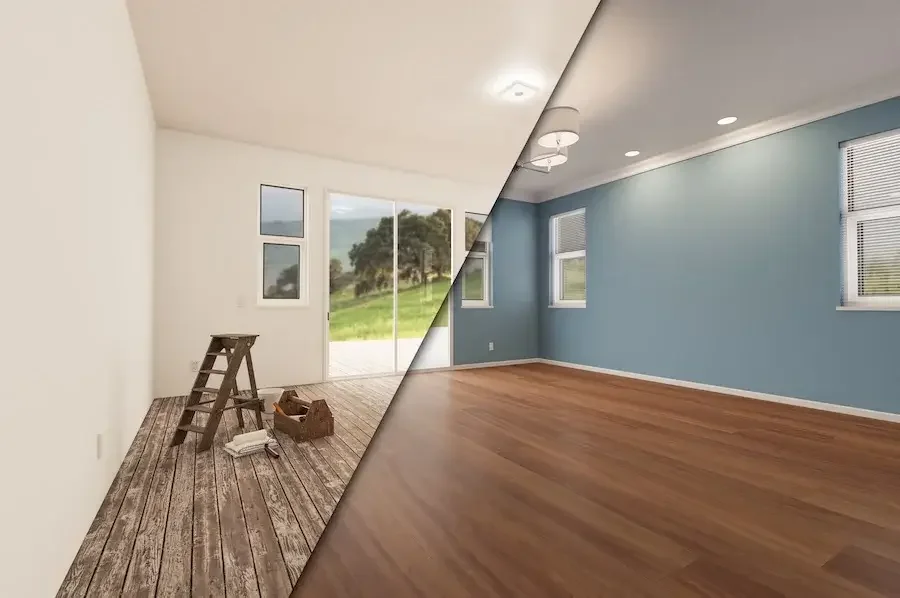
Why Residential Remodeling Matters
Renovating your home is an investment that goes beyond aesthetics. Key benefits include:
Improved functionality: Remodeling lets you reconfigure spaces for modern living needs.
Enhanced comfort: Better lighting, heating, and layouts increase everyday livability.
Increased property value: Quality renovations improve resale potential.
Energy efficiency: New appliances, insulation, and fixtures can reduce utility costs.
Effective residential remodeling combines design, construction, and planning to meet both practical needs and lifestyle goals.
Step 1: Define Your Remodeling Goals
Before starting any remodeling project, define your objectives clearly. Ask yourself:
Which areas of my home need improvement?
Am I prioritizing aesthetics, functionality, or both?
What budget and timeline make sense for my household?
How will this renovation affect long-term home value?
Clear goals guide decisions and help ensure the finished project matches your expectations. Write down your priorities and desired outcomes so you have a steady reference throughout the process.
Step 2: Set a Realistic Budget
Budgeting is one of the biggest challenges in residential remodeling. Underestimating costs often leads to delays or lower-quality outcomes.
Budget Considerations
Labor and material costs
Permits and inspection fees
Unexpected issues, such as structural repairs or outdated plumbing
Design consultations or professional planning services
A contingency fund of 10–15% is recommended to cover surprises. Working with an experienced residential remodeling team in Monroe can help you get accurate estimates and avoid budget strain.
Step 3: Choose the Right Contractor
The contractor you hire plays a major role in the success of your remodeling project. A reliable, experienced team ensures high-quality work and smoother execution.
What to Look For
Proven experience with similar renovation projects
Strong references and a portfolio you can review
Proper licensing, insurance, and local code knowledge
Clear communication and strong project management
A reputable residential remodeling company in Monroe can manage your renovation from planning through completion, making the process less stressful and reducing avoidable errors.
Step 4: Design and Planning
Design is not only about making your home look better. It also shapes how the space functions, flows, and holds value over time.
Key Design Considerations
Space utilization: Improve layouts and add storage where needed.
Lighting: Balance natural and artificial lighting for comfort and usability.
Materials: Pick durable options that fit your lifestyle and maintenance preferences.
Future-proofing: Consider changing family needs and potential resale value.
Professional designers or skilled contractors can help make sure your vision is both attractive and practical.
Step 5: Understand Permits and Regulations
Many renovations require permits to meet local building codes. Skipping permits can lead to fines, project delays, or problems when selling your home later.
What to Consider
Electrical, plumbing, or structural work often needs inspection.
Local zoning rules may affect additions or exterior changes.
Experienced contractors can handle permits efficiently.
Working with a qualified residential remodeling service in Monroe helps ensure compliance and avoids legal or safety risks.
Step 6: Focus on Quality Materials
Material choices affect durability, performance, and long-term value. Cutting corners may save money upfront but can result in early wear or costly repairs.
Material Selection Tips
Prioritize durability in high-use spaces like kitchens and bathrooms.
Consider energy-efficient fixtures and appliances.
Choose finishes that suit your design and daily routines.
Think about maintenance so the space stays practical over time.
Investing in quality materials supports a renovation that lasts.
Step 7: Prepare for the Remodeling Process
Remodeling can be disruptive, so household preparation matters.
Preparation Steps
Set up temporary plans for cooking, bathing, or living spaces if needed.
Talk with family members about timelines and expected interruptions.
Protect valuables and keep work areas safe and clear.
Stay in sync with your remodeling team to address issues early.
Preparation keeps stress lower and the project more predictable.
Step 8: Monitor Progress and Maintain Communication
Consistent communication helps renovations stay on track. Regular updates let you spot issues early and confirm the project is meeting expectations.
Effective Communication Tips
Schedule weekly check-ins or progress walkthroughs.
Keep decisions and changes documented in writing.
Address concerns quickly to avoid delays.
Use project-tracking tools if your contractor offers them.
Staying involved helps maintain quality and clarity.
Step 9: Consider Long-Term Value
It is easy to focus only on immediate improvements, but long-term impact matters just as much.
Choose upgrades that improve functionality and energy efficiency.
Avoid designs that feel overly trendy and may age quickly.
Ensure additions or layout changes strengthen overall property value.
Professional residential remodeling teams in Monroe can recommend high-impact upgrades that support your investment.
Step 10: Evaluate the Final Results
Once your project is complete, review everything carefully.
Evaluation Checklist
Confirm workmanship meets quality standards.
Test new installations, appliances, and systems.
Review warranties, maintenance instructions, and documentation.
Note any improvements you may want to plan next.
A final walkthrough ensures your home is safe, functional, and consistent with your original goals.
Common Residential Remodeling Projects
Many homeowners focus on specific renovation types during residential remodeling. Common projects include:
Kitchen remodeling: Updating cabinetry, countertops, appliances, and layouts for better efficiency and appearance.
Bathroom renovations: Improving fixtures, storage, comfort, and usability.
Basement or attic conversions: Creating new livable space for offices, bedrooms, or recreation.
Exterior upgrades: Siding, roofing, and landscaping to boost curb appeal and value.
Energy-efficient improvements: Insulation, windows, HVAC upgrades, and smart-home features to lower utility costs.
Each type of project benefits from clear planning, quality materials, and skilled professional support.
Conclusion
Residential remodeling is a powerful way to improve your home’s functionality, appearance, and long-term value. By understanding the process—from setting goals and budgeting to choosing contractors and materials—you can avoid common setbacks and enjoy a smoother renovation.
Professional guidance for residential remodeling in Monroe helps ensure your project is completed efficiently, safely, and in full compliance with local regulations. With careful planning, strong communication, and attention to quality, remodeling can transform your living space while delivering lasting value and comfort.
Frequently Asked Questions
-
Start by defining your goals, identifying which spaces need improvement, and deciding whether your priorities are function, style, or both. Then outline a budget and timeline before meeting with contractors.
-
Most remodeling experts recommend adding a 10–15% contingency fund to cover surprises like structural repairs or outdated wiring and plumbing.
-
Permits ensure your renovations meet safety codes and local regulations. Skipping them can lead to fines, project delays, or issues when selling your home.
-
Look for experience with similar projects, strong references, proper licensing and insurance, and clear communication. A local Monroe remodeling team will also understand regional codes and permitting.
-
Kitchen updates, bathroom renovations, energy-efficient improvements, and functional space additions like finished basements typically offer strong returns and improve daily living.