
Benefits of Building an Energy-Efficient Custom Home with Experienced Custom Home Builders
Designing a custom home offers endless opportunities—from architectural style to layout choices and finishes. But one of the smartest, most impactful decisions you can make is incorporating energy-efficient strategies from day one. Energy-efficient custom homes are built to perform better, cost less to operate, and deliver superior comfort and health benefits for years to come.
Below are six essential advantages of building an energy-efficient custom home, and how partnering with experienced custom home builders ensures efficiency is integrated into every layer of the custom home building process.
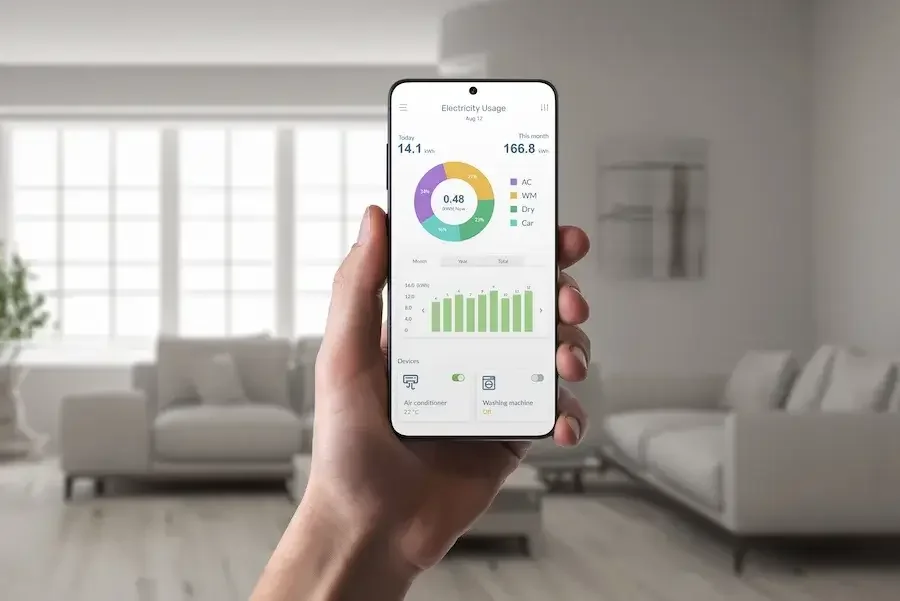
1. Long-Term Reduction in Operating Costs
One of the most immediate and measurable benefits of energy efficiency is lower utility costs.
Reduced Energy Use:
High-efficiency HVAC systems, upgraded insulation, sealed ductwork, and modern windows can reduce heating and cooling expenses by 20% to 50% annually.
Fast ROI:
While energy-efficient upgrades may cost more upfront, the long-term savings—from lower power bills and reduced system strain—typically offset those costs quickly.
2. Improved Indoor Air Quality
Energy-efficient custom homes often provide healthier indoor environments due to better control over incoming air.
Tighter Building Shell:
A well-sealed home prevents dust, pollen, humidity, and outdoor pollutants from entering your living space.
Mechanical Ventilation:
Custom home builders often incorporate systems like Energy Recovery Ventilators (ERVs), which bring in fresh air while filtering out contaminants—without sacrificing efficiency.
This results in cleaner, healthier air for your family.
3. Greater Comfort & Consistent Temperatures
Energy-efficient homes eliminate many of the comfort challenges found in traditional builds.
Enhanced Insulation:
High R-value insulation in attic, wall, and crawlspace areas helps maintain stable indoor temperatures throughout all seasons.
Comprehensive Air Sealing:
Proper sealing at windows, doors, and utility penetrations reduces drafts and cold spots, making every room more comfortable and usable year-round.
4. Energy Efficiency Built Into the Custom Home Building Process
Energy efficiency is not a last-minute upgrade—it is a design philosophy woven into the construction process.
Integrated Design:
Experienced custom home builders evaluate passive solar orientation, window placement, roof overhangs, and natural daylight opportunities to reduce heat gain and maximize efficiency.
Advanced Materials & Methods:
High-performance building options may include:
Structural Insulated Panels (SIPs)
Radiant barriers
High-efficiency HVAC sizing
Tight building envelope construction
This whole-house approach ensures each system works together for maximum performance.
5. Increased Resale Value
Energy-efficient custom homes have become highly desirable to future buyers.
Higher Market Appeal:
With rising energy costs and increasing environmental awareness, buyers often pay a premium for homes with documented low utility bills and sustainable features.
Modern Infrastructure:
A well-designed, energy-efficient home includes long-lasting, future-ready systems that reduce maintenance costs and increase overall property value.
6. Reduced Environmental Footprint
Building an energy-efficient custom home is also a meaningful step toward environmental responsibility.
Lower Energy Demand:
Efficient homes consume less power, reducing stress on the electrical grid.
Fewer Emissions:
By reducing overall energy use, your home produces fewer greenhouse gas emissions associated with power generation.
Sustainable design is not only good for your budget—it’s good for the planet.
Final Thoughts
Building an energy-efficient custom home is one of the best long-term investments you can make. From superior comfort and healthier indoor air to long-term savings and environmental benefits, high-performance construction delivers a lifetime of value.
When you partner with expert custom home builders in Monroe, GA, energy efficiency becomes a foundational part of the custom home building process—not an afterthought. With the right team, you can create a home that is beautiful, sustainable, and built to perform for decades to come.
Frequently Asked Questions
-
Yes, usually by 3% to 10%. Upgrades like higher-quality insulation, energy-efficient windows, and advanced HVAC systems raise initial costs—but long-term utility savings and available tax incentives often result in a fast payback period.
-
The building envelope—your home’s insulated and air-sealed shell—is the single most important factor. Even the best HVAC system cannot compensate for poor insulation or significant air leakage.
-
Not necessarily. True efficiency requires knowledge of air sealing, ventilation, mechanical system sizing, and advanced building materials. Always choose custom home builders with proven experience or certifications in green building standards.
-
No. In fact, they often require less maintenance because systems like high-efficiency HVAC units operate with less strain. Additionally, better building materials and airtight construction often result in fewer long-term repairs.
-
Many energy-efficient upgrades—such as solar panels, high-efficiency HVAC units, or improved insulation—may qualify for local, state, or federal tax credits. Your custom home builder or tax professional can help confirm eligibility.