
How to Choose the Right Materials for Your Bathroom Remodel and Home Renovation
A bathroom remodel is one of the most rewarding upgrades you can make to your home—but it also requires thoughtful planning. Bathrooms endure daily exposure to moisture, humidity, temperature changes, and frequent use, making material selection one of the most important decisions in any home renovation. Choosing the right products ensures your new bathroom looks beautiful, performs reliably, and stands the test of time.
Below, our home renovation experts outline six essential steps to selecting durable, water-resistant materials that support a long-lasting result. With guidance from professional residential remodeling services, your bathroom remodel will remain functional, stylish, and low-maintenance for years to come.
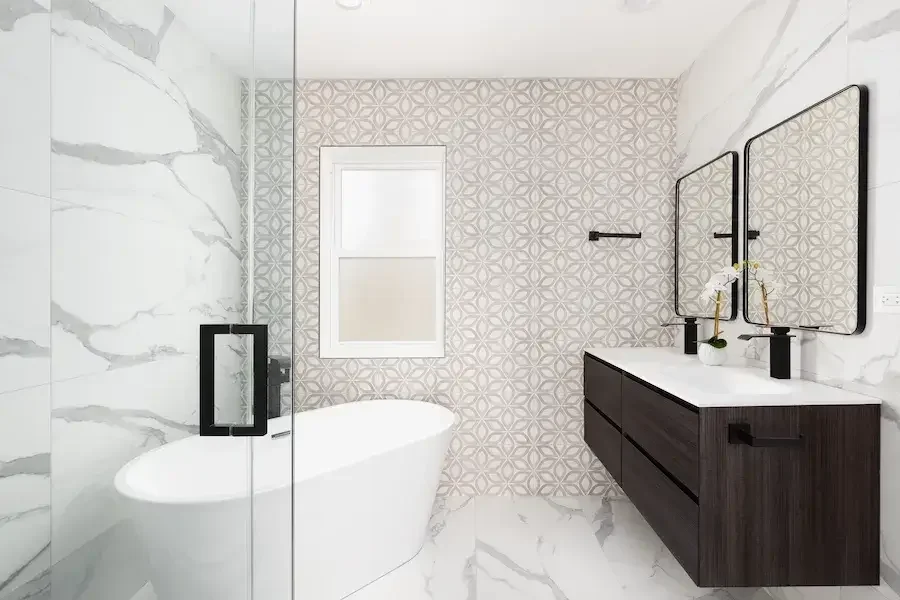
1. Prioritize Water Resistance and Durability
Every surface in a bathroom is exposed to moisture—whether from splashing water, condensation, or steam. That’s why water-resistant materials are non-negotiable.
Waterproof Backerboard:
Never use standard drywall around showers or tubs. Cement board or waterproof foam board provides a stable, moisture-safe surface for tile installation.
High-Quality Grout:
Choose stain-resistant grout and ensure it’s sealed properly, or opt for epoxy grout for the highest level of moisture resistance and durability.
Moisture-Resistant Paint:
Semi-gloss or satin finishes are ideal because they resist mold, dry quickly, and are easy to clean.
2. Choose the Right Flooring (Porcelain vs. Ceramic)
Bathroom flooring must be durable, slip-resistant, and impermeable to water.
Porcelain Tile (Top Choice):
Porcelain is denser and less porous than ceramic, making it more durable and better suited for high-moisture areas.
Tile Size Considerations:
Large-format tiles: Fewer grout lines and a sleek look.
Small tiles/mosaics: More traction—ideal for shower floors where slip resistance matters.
Avoid Hardwood & Laminate:
These materials often warp or swell due to prolonged moisture exposure and are not recommended for full bathrooms.
3. Select Durable Countertop Surfaces (Quartz vs. Solid Surface)
Bathroom countertops need to handle water, heat, and daily wear.
Engineered Quartz:
Non-porous, stain-resistant, and extremely durable—requiring no sealing. This makes it a favorite among home renovation experts.
Solid Surface:
Budget-friendly, seamless, and easy to maintain. Integrated sinks eliminate creases where moisture can collect.
Natural Stone:
Beautiful but porous. Marble and granite require regular sealing to prevent staining and moisture penetration.
4. Prioritize Proper Ventilation
Even the best materials will fail without adequate moisture control.
Correct CFM Rating:
Choose a fan appropriately sized for your bathroom’s square footage. An undersized fan cannot remove humidity effectively.
Proper Vent Routing:
The exhaust fan must vent outdoors—not into an attic or crawl space—otherwise moisture will build up and lead to mold.
Improved ventilation protects your materials, your health, and your investment.
5. Choose Fixtures and Finishes with Longevity in Mind
A fixture’s durability is determined more by internal components than the finish itself.
Quality Valves and Cartridges:
Choose reputable brands—shower and sink valves are installed inside the walls, making them costly to replace if they fail.
Durable Finishes:
Finishes like matte black, brushed gold, or chrome last longest when applied using PVD (Physical Vapor Deposition), which resists scratches and corrosion.
6. Work with Home Renovation Experts for Proper Installation
Even the best materials will fail if they’re improperly installed.
Professional Installation:
Experienced residential remodeling services ensure:
Shower pans are sloped correctly
Waterproofing membranes are fully sealed
Tiles are laid with precision
Drainage is optimized
Warranties:
Licensed professionals often provide warranties that protect against installation defects, giving homeowners additional peace of mind.
Final Thoughts
A beautiful bathroom remodel begins with choosing the right materials—products that perform well in high-moisture environments and maintain their appearance over time. With support from skilled home renovation experts, you’ll enjoy a durable, stylish, and low-maintenance bathroom for decades to come. Thoughtful material selection, paired with professional installation, is the hallmark of high-quality residential remodeling services and a successful home renovation
Frequently Asked Questions
-
Even treated hardwood is risky in full bathrooms due to humidity and standing water around showers and tubs. Most experts recommend tile or waterproof luxury vinyl instead.
-
Not usually. Budget fixtures often contain low-quality internal components that wear out quickly. Save money on easily replaceable items—like hardware or décor—not on valves hidden behind the walls.
-
Measure the square footage of floors and walls, then add 10–15% for cuts, patterns, and future repairs. Your home renovation team can help ensure accurate quantities.
-
Porcelain tile with a waterproof backerboard and a properly installed membrane system offers the best long-term performance.
-
Yes—unless you’re using epoxy grout. Traditional grout should be sealed after installation and resealed periodically to prevent staining and moisture damage.